
Agricultural Applications of Selenite
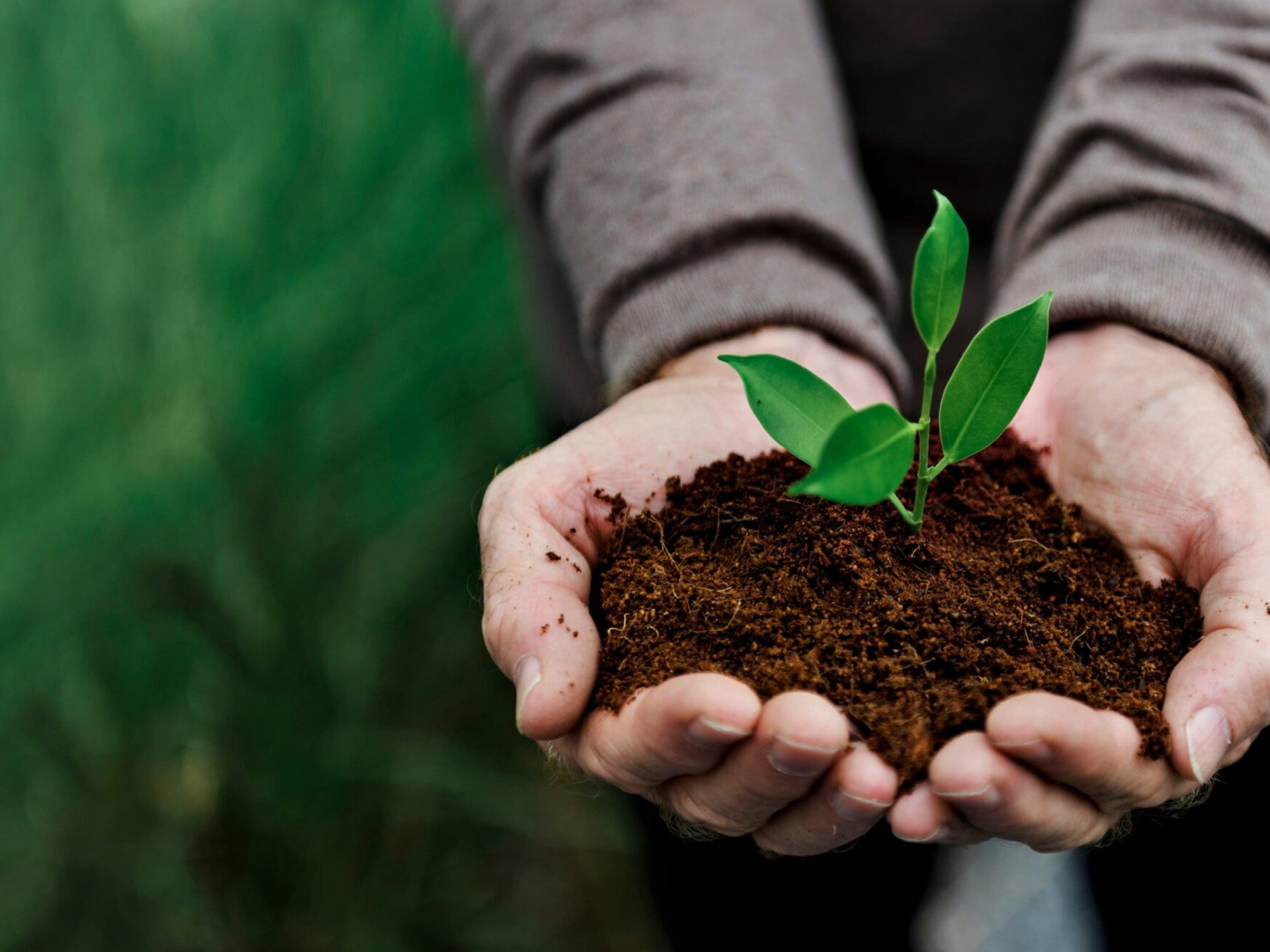
→ Results may vary based on conditions. See agricultural disclaimer.
Gypsum Crystal (CaSO₄·2H₂O) in Sustainable Farming
My research into selenite’s applications extends beyond spiritual and wellness applications to agriculture, where gypsum (CaSO₄·2H₂O) offers remarkable benefits for soil health and crop productivity.
The Need For Agriculture Gypsum
Agriculture gypsum can be used in areas with reduced calcium levels on the soil like tropical regions, where calcium is easily leached by excessive rainfall.
To determine whether crops will respond to gypsum, soil tests should check the percentage of calcium, aluminum levels at 20-40 cm depth. If tests show either low calcium, low base saturation or high aluminum (undesirable), the use of gypsum is highly advised.
Essential Nutrients for Plant Growth
Calcium and Sulfur Delivery:
Selenite provides calcium and sulfur, essential elements for cell division, growth, and nutrient absorption in plants.
Calcium is a critical micronutrient responsible for cell division and growth, protein synthesis, carbohydrate transportation, and cell wall structure. It’s particularly important for root development and nutrient uptake mechanisms.
Sulfur in selenite is responsible for hormonal control affecting plant growth and development. It influences the plant’s defense mechanisms against pests and diseases and serves as an important component of proteins.
Soil Structure Enhancement
When incorporated into soil, selenite improves:
Soil porosity for better root penetration
Water infiltration and retention
Reduction of runoff and erosion
Aeration for healthier root systems
Gypsum has been used for many years to improve aggregation and inhibit or overcome dispersion in sodic soils. It creates a more favorable calcium-magnesium ratio in soils where this balance is unfavorable. Soluble calcium can overcome the dispersion effects of magnesium or sodium ions and help promote flocculation and structure development in dispersed soils.
Aluminum Toxicity Reduction
In acidic soils, selenite helps mitigate aluminum toxicity, allowing for deeper root growth and improved plant development. When gypsum is applied to the soil surface, it leaches down to increase root growth. The sulfate reacts with the soluble aluminum in deeper soil profiles to decrease aluminum toxicity.
This process directly affects plant development and yield improvement by improving the plant’s water and nutrient absorption, leading to better growth.
Drought Resistance
Improved water retention in selenite-amended soils helps crops survive drought conditions more effectively. In drought conditions, efficient water use is key for crop development. Gypsum helps crops survive during drought by properly capturing water when it does rain. Better soil structure allows all the positive benefits of soil-water relations to occur.
Sodic Soil Recovery
For problematic sodium-heavy soils, selenite improves drainage and reduces sodium toxicity, facilitating healthier plant growth. Gypsum is used as a soil corrective agent, as it improves drainage, allowing water to move into the soil and leach away excess salts.
The sulfate in gypsum bonds with sodium, moving it deeper into soil levels away from roots. This helps reduce sodium’s negative effects on plants, which slows metabolism and vital growth processes. Calcium overcomes the toxic effects of sodium chloride salinity.
Comprehensive Benefits of Agricultural Gypsum
Agricultural gypsum provides numerous additional benefits:
Avoids Soil Crusting: Aids seed emergence by preventing hardened soil surfaces
Improves Water Quality: Enhances low-solute irrigation water effectiveness
Makes Wet Soils Workable: Wet soils become easier to till
Prevents Water-logging: Improves drainage in heavy soils
Removes Excess Boron: Helps detoxify soils with boron contamination
Neutralizes Magnesium Toxicity: Makes excess magnesium non-toxic
Improves Fruit Quality: Enhances crop quality and prevents some plant diseases
Supports Beneficial Organisms: Helps earthworms flourish in soil
Increases Crop Yields: Multiple studies show yield improvements with proper application
Decreases Dust Erosion: Helps bind soil particles to prevent wind erosion
Enhances Nutrient Absorption: Helps plants absorb essential nutrients
Decreases Heavy-Metal Toxicity: Binds with some heavy metals to reduce toxicity
Improves Organic Material Value: Increases the effectiveness of organic amendments
Prepares Soil for No-Till Management: Creates soil structure conducive to no-till farming
Decreases Bulk Density: Creates lighter, less compacted soil
Decreases Loss of Fertilizer Nitrogen: Reduces nitrogen volatilization
Can Be a Source of Oxygen: Slowly releases oxygen into the root zone
Can Increase Water Retention: Improves soil’s ability to hold moisture
Sustainable Farming Applications
The use of selenite (gypsum) in agriculture represents a natural, sustainable approach to soil improvement and crop productivity. Unlike some chemical amendments, gypsum works with the soil’s natural processes to create lasting improvements in structure and fertility.
By incorporating selenite into agricultural practices, farmers can reduce their dependence on synthetic fertilizers and pesticides while improving both yield and crop quality. This approach aligns perfectly with the growing movement toward sustainable and regenerative agriculture.
“Exclusive video touring the remote Jalisco selenite mine location in the Mexican mountains. See the pristine source and natural landscape where premium ice crystals are found.” these remarkable crystals and deepened my commitment to sharing their benefits with others.
This ongoing quest has transformed my understanding of these remarkable crystals and deepened my commitment to sharing their benefits with others.
Mining Expeditions
My selenite journey involves carefully planned expeditions to select mine sites in Mexico, Utah (USA), and Morocco. Unlike commercial operations, I personally visit these locations, developing relationships with ethical mine operators and learning specialized techniques for identifying and extracting the highest quality therapeutic-grade selenite.
Years of experience have taught me to recognize the subtle characteristics that distinguish exceptional selenite from ordinary specimens—differences in clarity, structure, and energetic properties that are often overlooked by commercial collectors.
Selection Criteria for Premium Selenite:
Perfect transparency with minimal inclusions
Proper formation of the AB-axis crystal structure
Energetic resonance (tested through dowsing and sensitivity methods)
Ethical extraction from the surrounding matrix
Minimal processing or damage during removal
Each mining expedition involves careful preparation, deep respect for the locations and people involved, and meticulous attention to proper extraction techniques that preserve the crystal’s integrity.
The Nursery River
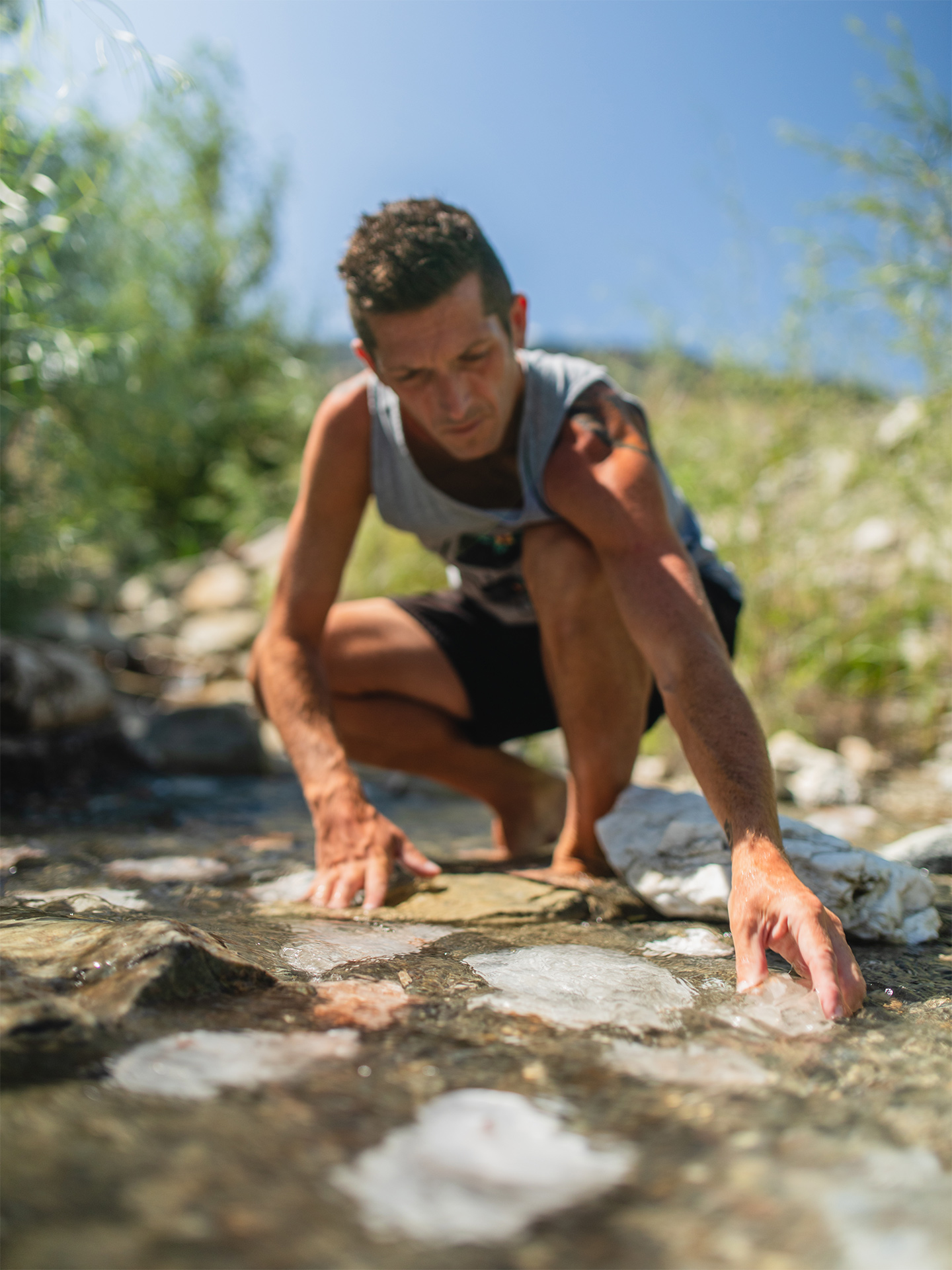
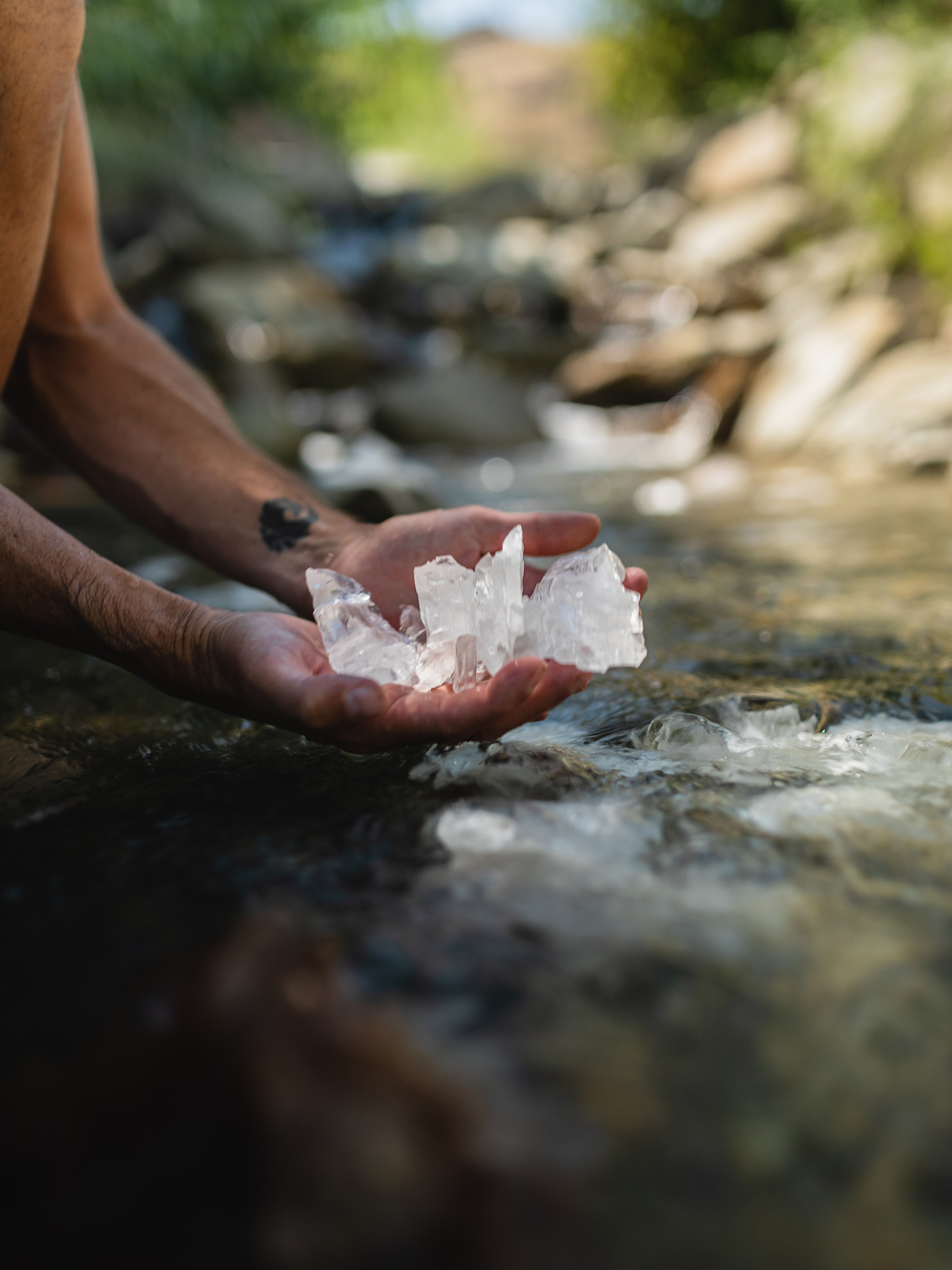
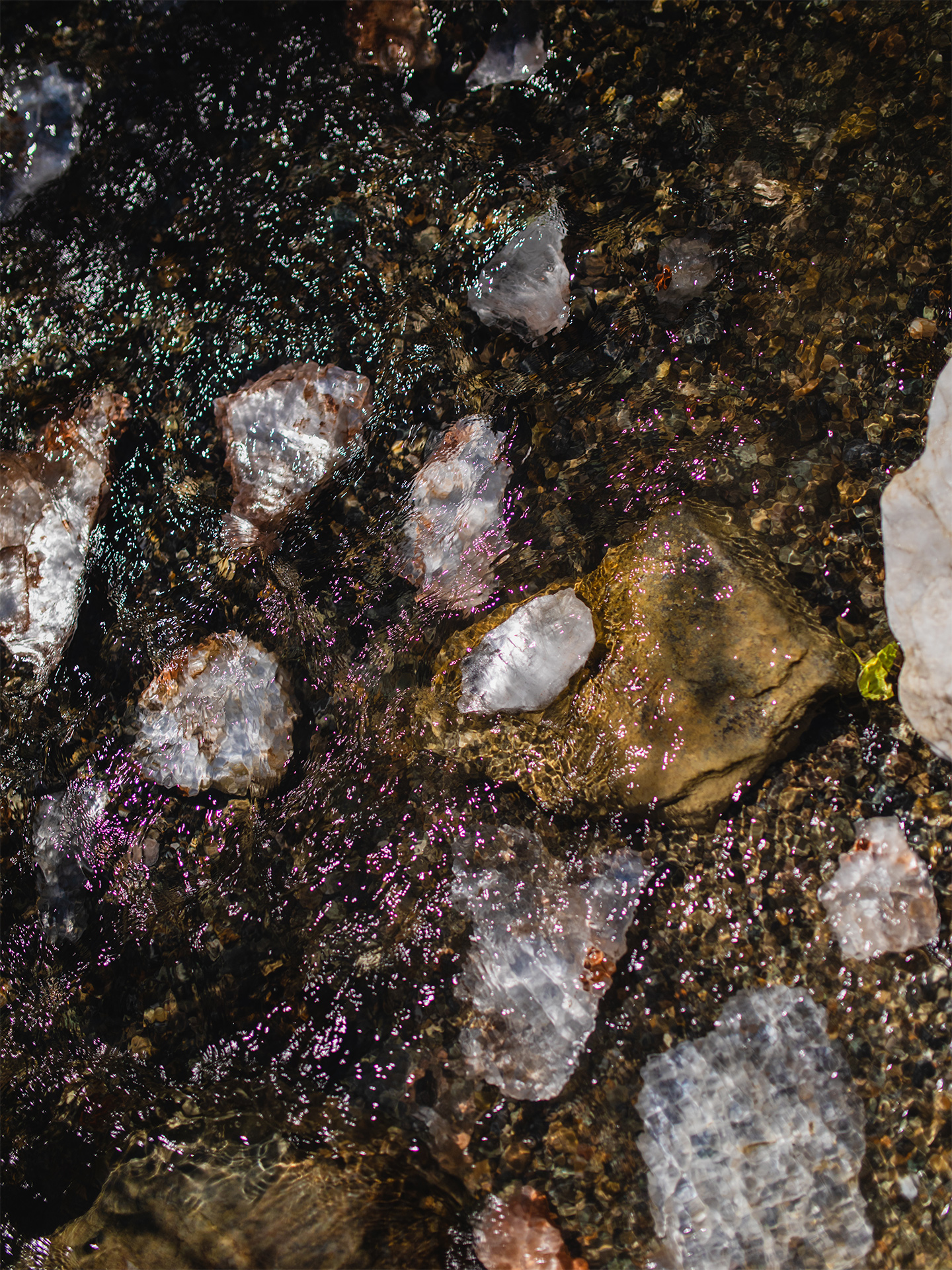
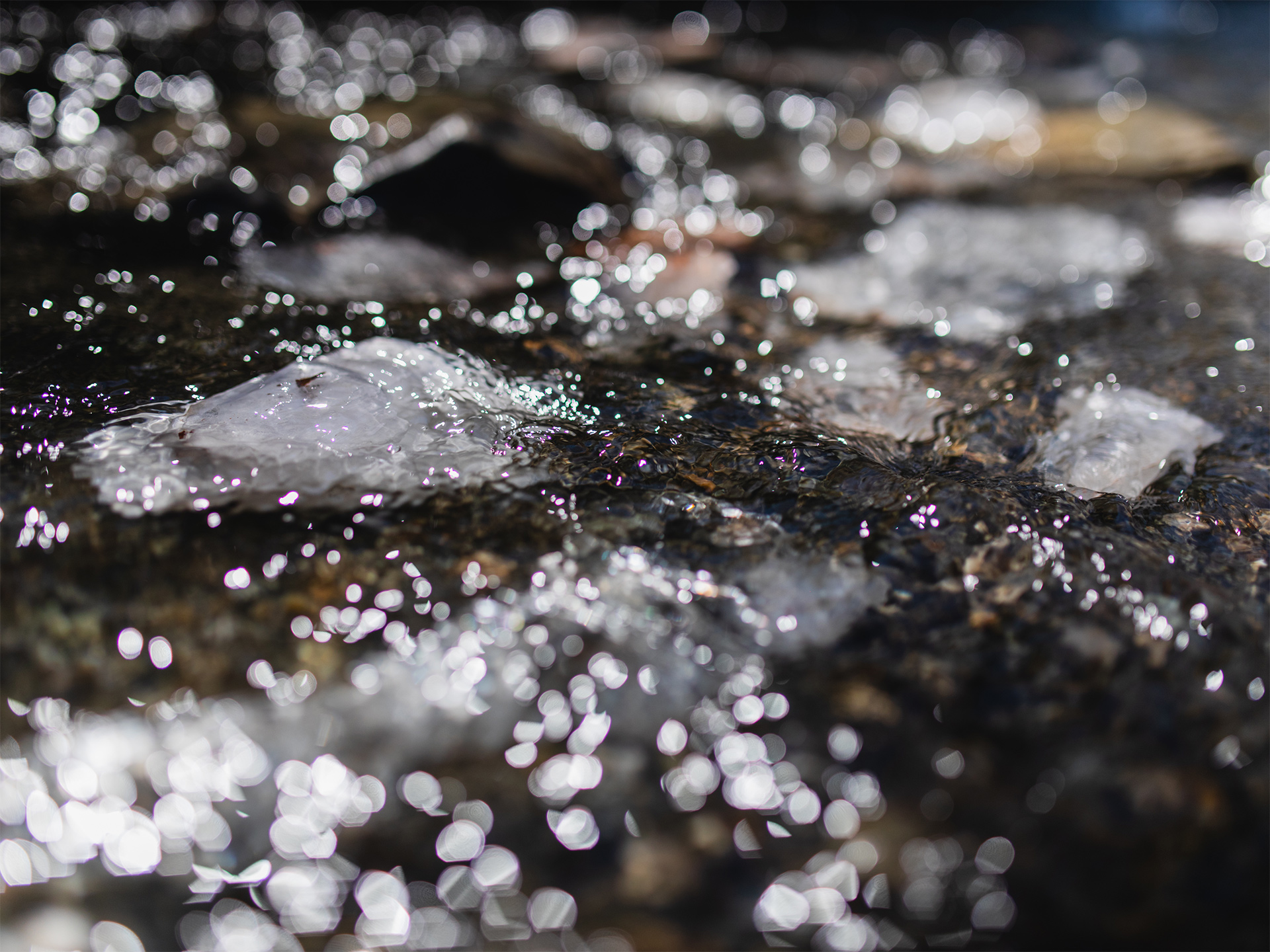
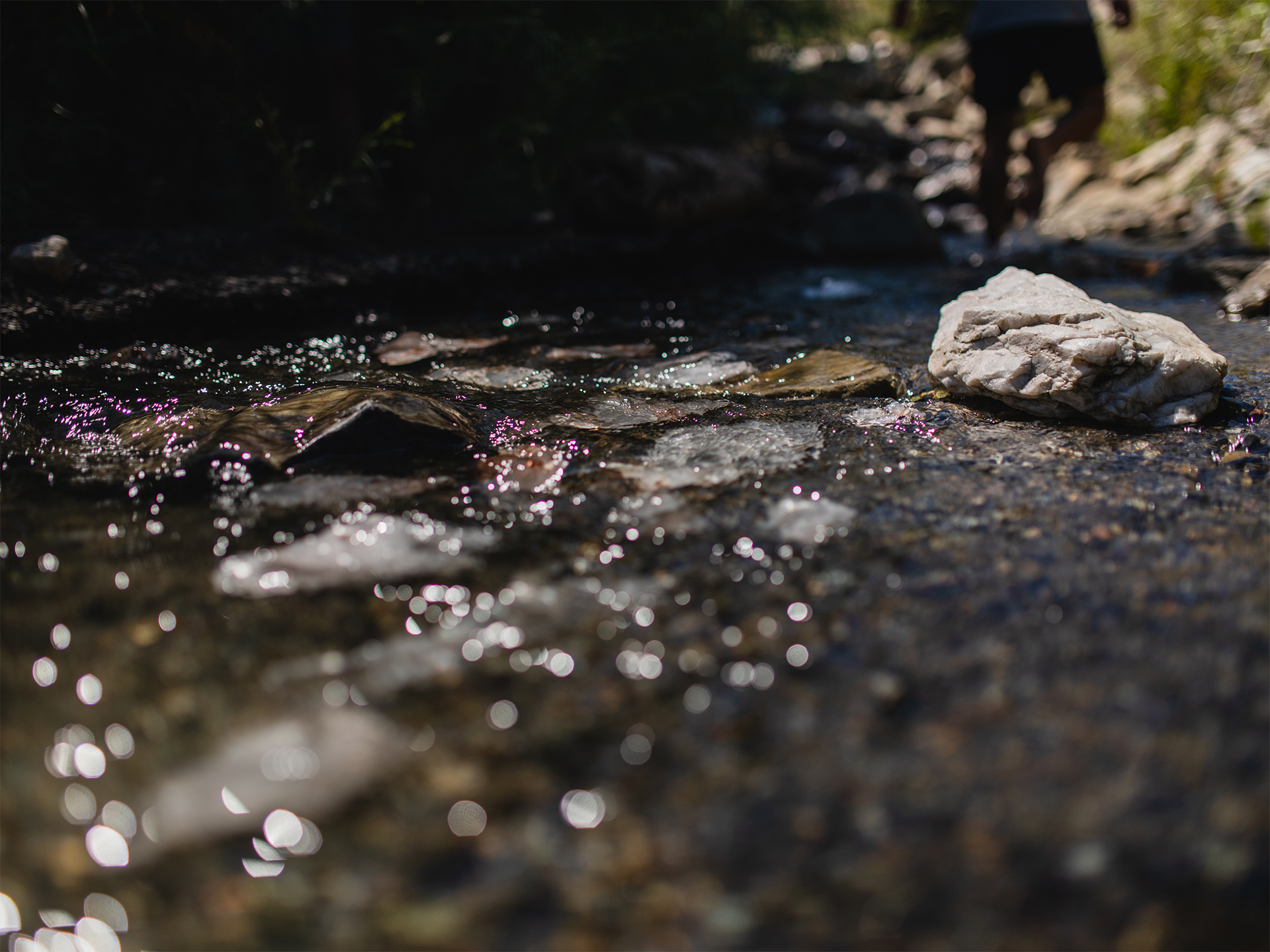
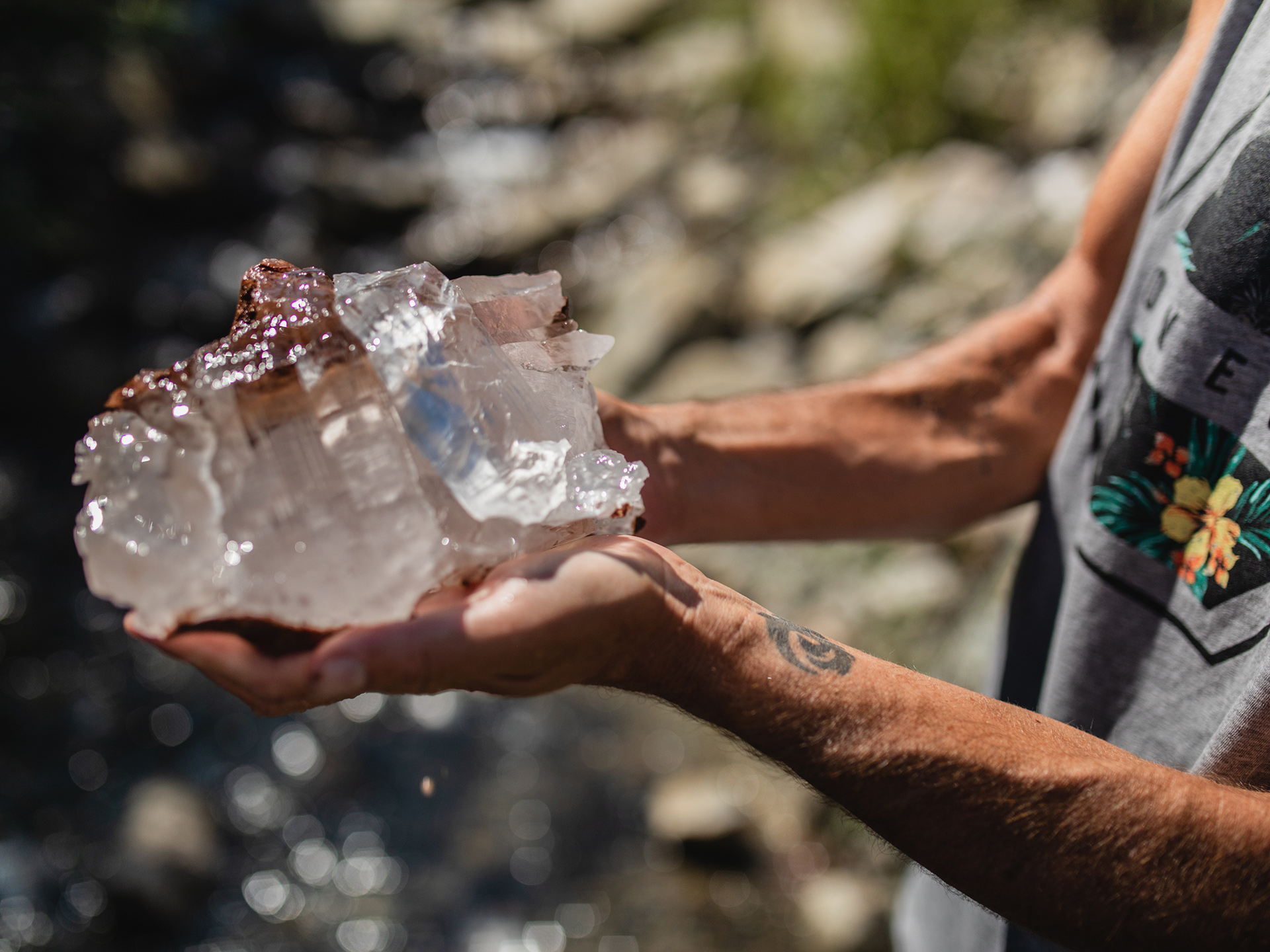
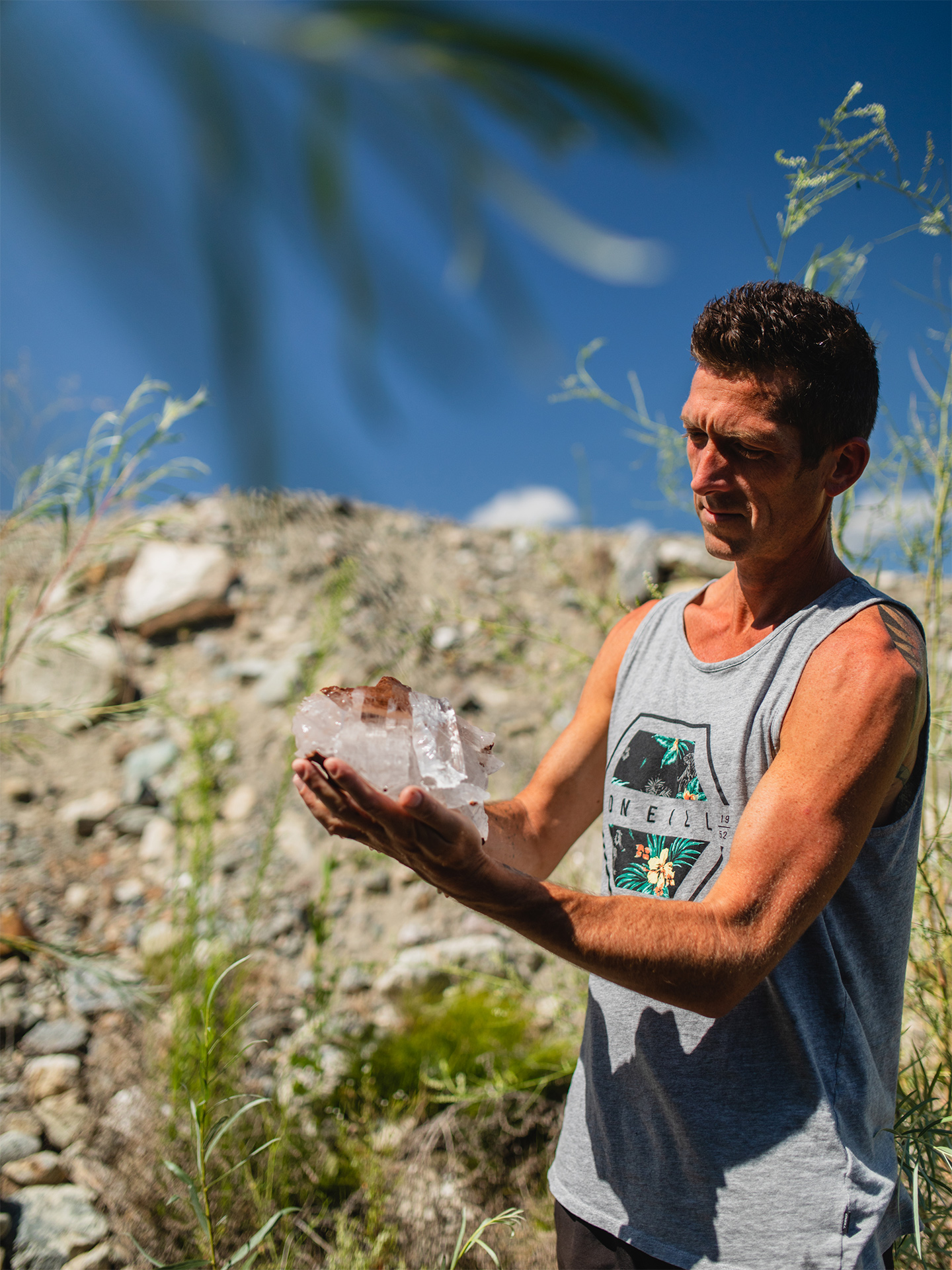
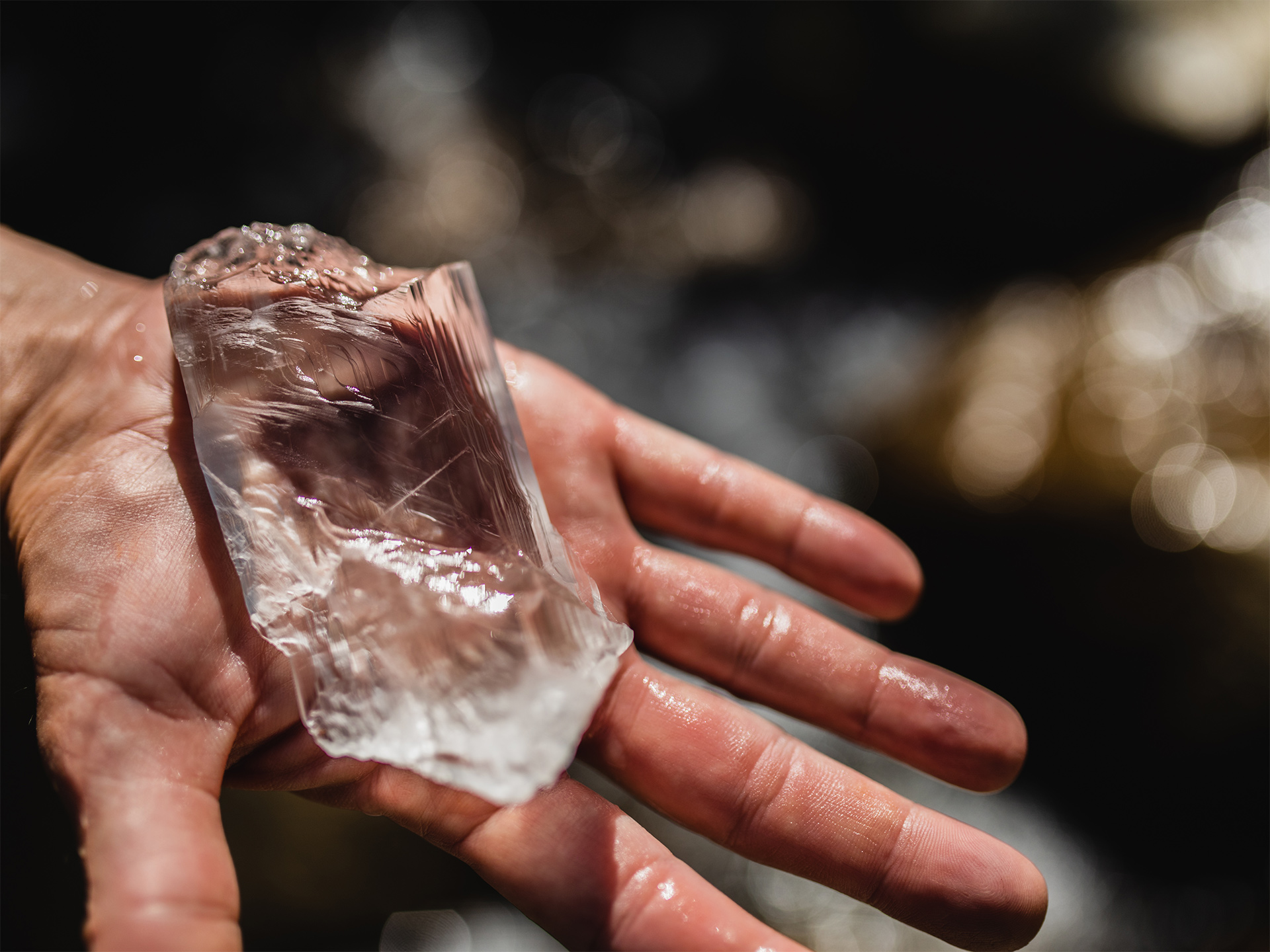
One of the most unique aspects of my selenite process is what I call “The Nursery” – a sacred river cleaning method. After careful extraction, each selenite piece undergoes a remarkable transformation in my pristine creek in British Columbia:
- “At Selenite Kingdom, my love for Selenite Ice crystals runs as deep as the ancient underground mines from which they emerge. I embark on extraordinary journeys, traveling to remote mine sites in Mexico and Utah where I hand-select each precious crystal, and personally transport them back home. It’s here, nestled beside the shimmering waters of a tranquil creek, that my dedication truly shines.
- I call it my ‘Crystal Nursery,’ a place where nature’s gentle touch cleanses and polishes these radiant treasures, as if they were being born anew. I watch over each piece with unwavering care, gently turning them on all four sides to ensure a flawless transformation. For me, this is more than a process; it’s a labor of love, an ode to the profound beauty and energy that Selenite Ice crystals embody. Each crystal whispers a story of nature’s artistry, and I’m honored to be its custodian, nurturing and sharing these ethereal wonders with the world.”


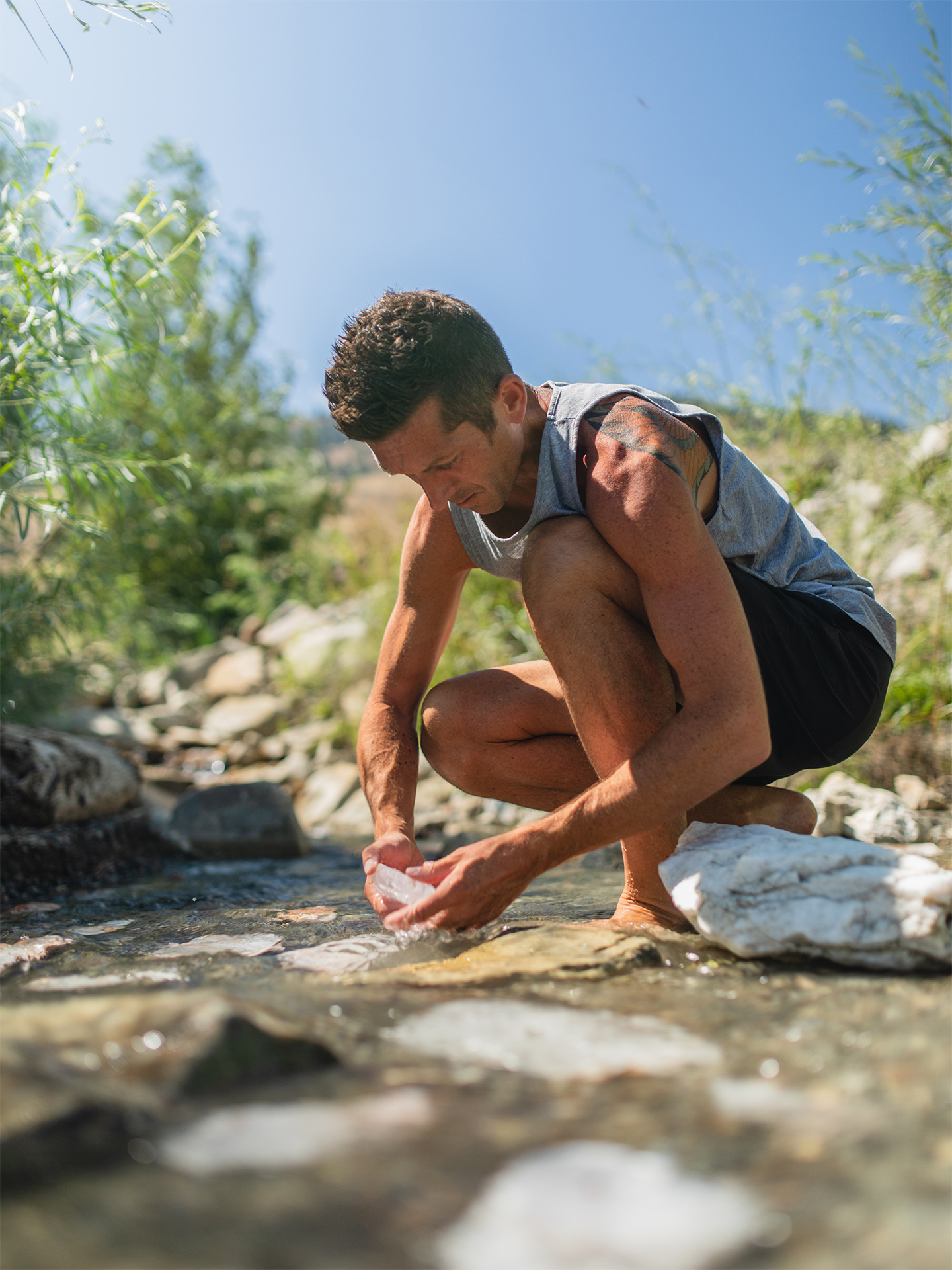
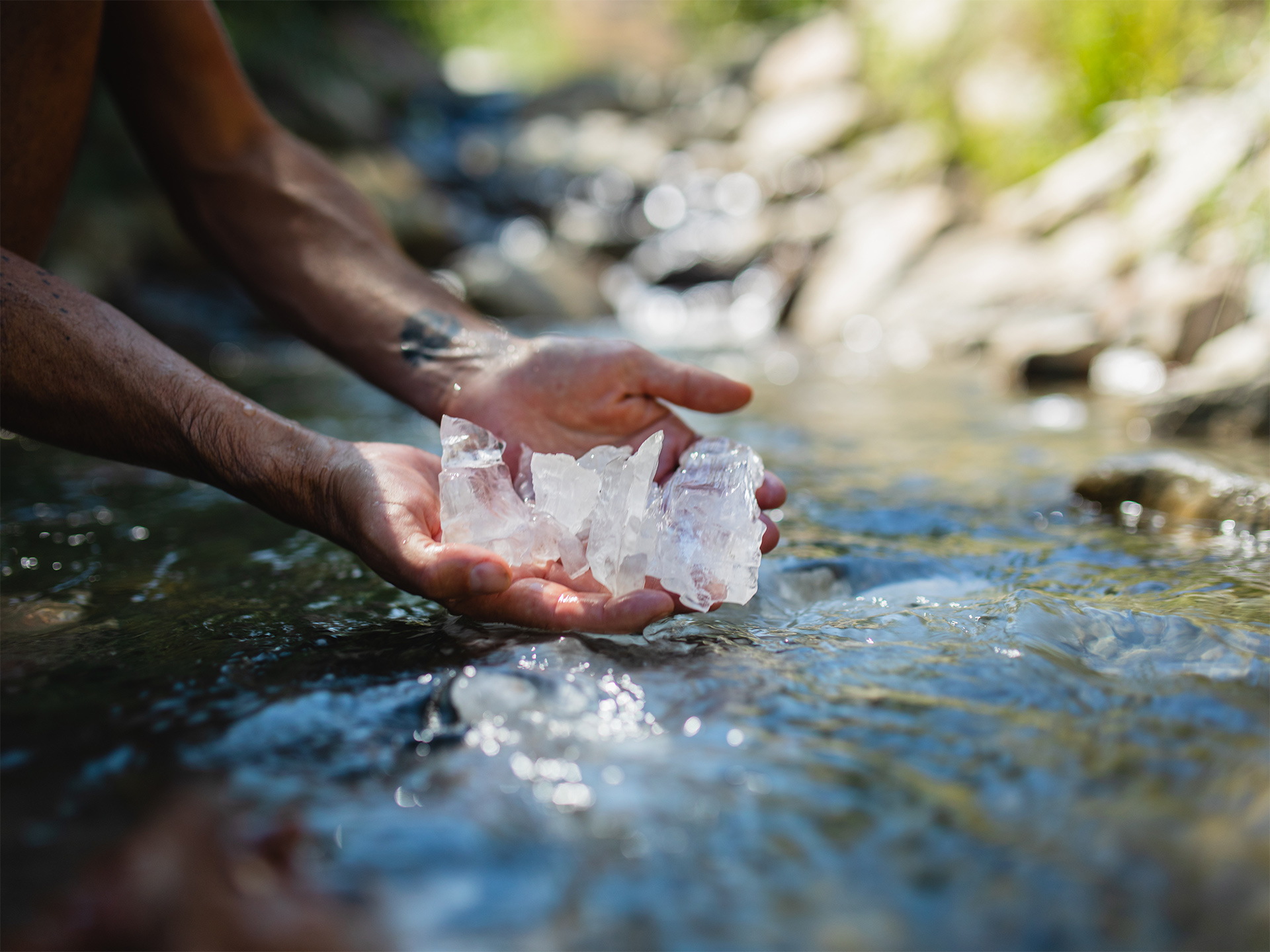
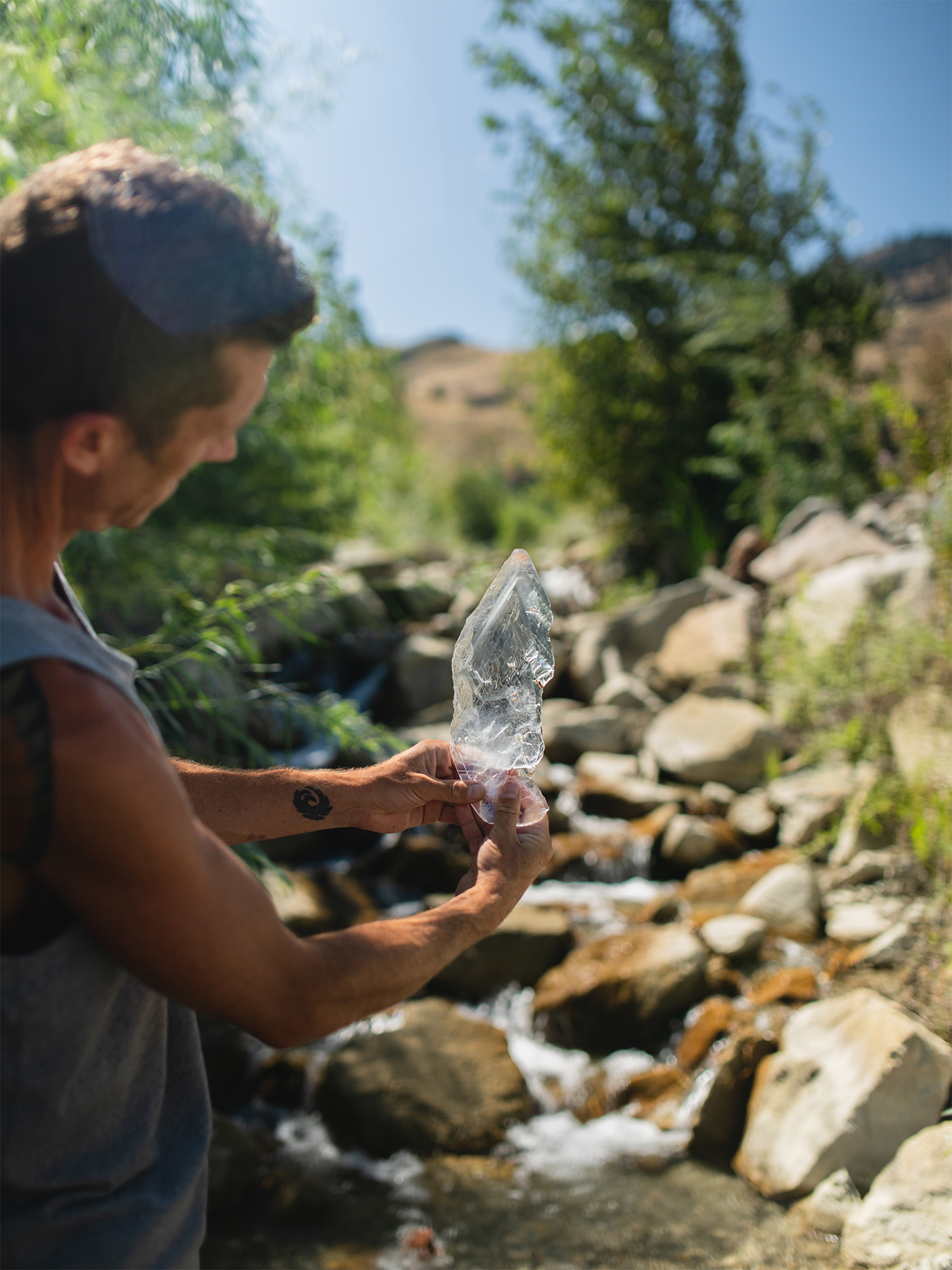
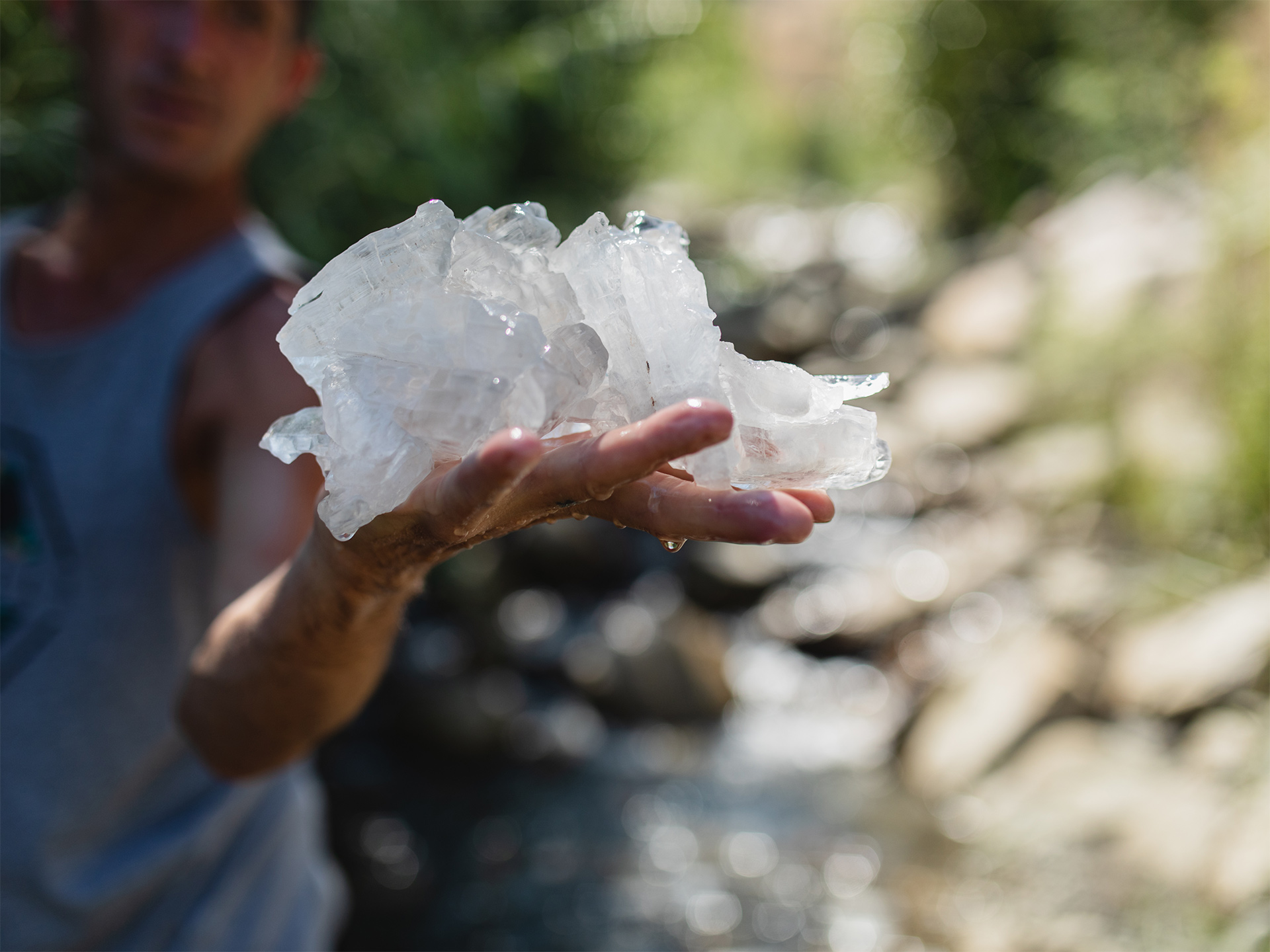
The Nursery Process Steps:
Initial Selection: Each raw selenite piece is examined for quality and potential
Creek Placement: Crystals are carefully positioned in specific locations in the creek based on water flow
Regular Rotation: Every piece is hand-turned on all four sides to ensure even polishing
Natural Cleansing: The flowing water not only physically cleans the crystal but energetically activates it
Sun & Moon Charging: After the water process, crystals are dried and charged in natural sunlight and moonlight
This time-intensive, natural process reflects my commitment to working in harmony with nature. No chemicals or artificial cleaning agents are ever used in this process.
Ethical Sourcing Practices
The selenite I work with is sourced with deep respect for both the environment and the communities where these crystals are found. I ensure:
Sustainable extraction techniques that preserve natural habitats
Fair compensation for local miners and artisans
Minimal environmental impact at all collection sites
Direct relationships that eliminate exploitative middlemen
Complete transparency in the sourcing chain
This ethical approach not only produces superior selenite but honors the geological wonders that have taken millions of years to form. I believe that the energy of a crystal is influenced by the entire process of its journey from earth to final placement, making ethical practices not just morally important but energetically essential.
Special Varieties: Oyster Selenite
During my sourcing journeys, I’ve encountered fascinating varieties like Oyster Selenite, which represents a unique formation process:
- “Oyster Selenite is formed by natural cracks – first from weaker chemically bonded areas (due to impurities or faster dehydration) then weathering from the expansion of heat and also by cold from when water then finds its way into these little cracks and then freeze.”
- “These cracks are then left exposed for a time to the surface (where the weathering is also happening) and where either calcium carbonate (calcite) and or desert lichens and algae creep in and grow for a while. They then eventually decompose and leave behind what’s left of them in the form of detritus carbon (longer carbon chains from either calcite or lichens or algae generally are grey to black). Other cracked areas are just filled in from lite fine particles of desert sand dust. Later on, as the desert weather exposes and then sometimes reburied these selenite crystals, water chemistry dissolves some selenite off of surrounding areas and precipitates back crystals into these grey cracks and heals it up.”
The unique appearance of Oyster Selenite, with its embedded patterns and inclusions, tells a fascinating geological story of formation, exposure, and healing—a metaphor that many find particularly meaningful for personal growth and transformation.